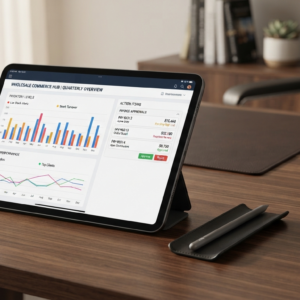
Operating a Direct-to-Consumer (D2C) e-commerce brand from a home-based office has never been more viable, but long-term profitability requires moving far away from low-margin general retail. To attract high Cost Per Click (CPC) advertising value and maximize net profit margins, successful digital entrepreneurs focus on automated logistics, proprietary product lines, and high-ticket specialized merchandise.
1. Proprietary Private Labeling and Niche Product Development
Generic dropshipping on crowded items often results in razor-thin profit margins and high return rates. Instead, successful e-commerce founders work with manufacturers to design proprietary, branded products tailored to underserved luxury or professional niches. Whether it is ergonomic workspace accessories for remote executives or premium eco-friendly pet care tech, owning your private label allows you to control pricing and build real business equity.
2. Automated 3PL and Global Fulfillment Integration
Managing inventory in a spare bedroom quickly becomes a logistical bottleneck as your sales scale. Modern home entrepreneurs leverage Third-Party Logistics (3PL) fulfillment centers. By connecting your online storefront directly to automated warehouses across the UK, US, or Southeast Asia, orders are picked, packed, and shipped automatically without you ever touching a physical box.
3. Subscription-Based E-Commerce Models
Predictable monthly recurring revenue (MRR) is the holy grail of e-commerce valuation. Curated subscription boxes, consumable wellness supplies, or specialty specialty goods create consistent cash flow. Because customers stay subscribed for months or years, your Customer Lifetime Value (LTV) skyrockets, giving you the financial leverage to outbid competitors on paid traffic channels.
Essential Frameworks for D2C Success
- Frictionless Conversion Architecture: Optimize your Shopify or WooCommerce checkout funnel with one-click upsells, localized currency conversion, and express payment options like Apple Pay and Klarna.
- High-Intent Performance Marketing: Target high-earning consumer segments using precision-targeted Google Shopping campaigns and meta retargeting funnels.
- Rigorous Data Analytics: Track acquisition costs, profit per order, and cart abandonment rates daily using advanced tracking tools.