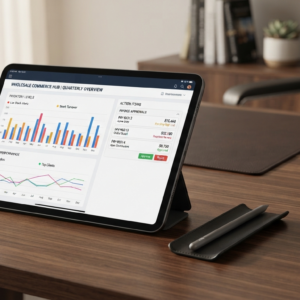
In the hyper-competitive landscape of global digital commerce, supply chain efficiency has evolved from an operational back-office function into a primary driver of customer retention and profit margins. Modern enterprise e-commerce brands are overhauling traditional logistics models by integrating artificial intelligence, predictive inventory positioning, and cross-border fulfillment networks to meet rising consumer expectations for zero-friction delivery.
The AI-Driven Revolution in E-Commerce Logistics
Scaling e-commerce operations beyond regional borders requires advanced technological infrastructure to manage complex inventory workflows and reduce order cycle times:
- Predictive Demand Forecasting: Utilizing machine learning algorithms to analyze historical purchasing patterns, local seasonal trends, and marketing campaign impacts to pre-position stock in regional fulfillment hubs.
- Automated Micro-Fulfillment Centers (MFCs): Leveraging robotics and automated storage and retrieval systems (ASRS) within urban centers to drastically cut last-mile transit times and overhead costs.
- Dynamic Order Routing: Intelligent logistics engines that automatically select the most cost-effective and fastest carrier network based on real-time transit data and dimensional weight calculations.
Overcoming Cross-Border E-Commerce Friction
Expanding into international markets offers exponential growth, but presents complex regulatory, tax, and customs challenges:
1. Landed Cost Transparency & Localized Checkout
International shoppers frequently abandon carts due to unexpected import duties and hidden shipping fees. Enterprise retailers implement automated tax and duty calculators directly at checkout, offering DDP (Delivered Duty Paid) options so customers pay exact final costs upfront.
2. Cross-Border Returns & Reverse Logistics
Managing international returns requires localized return processing hubs to inspect, restock, or liquidate returned merchandise locally, preventing costly international re-shipping expenses and preserving customer goodwill.
Scaling Business Resilience Through Multi-Carrier Networks
Relying on a single logistics partner exposes enterprise brands to severe supply chain bottlenecks during peak shopping seasons. Diversifying fulfillment through a hybrid network of regional carriers, postal networks, and specialized last-mile couriers ensures operational redundancy, better SLA adherence, and optimal shipping margins.